01 / 11
WORK
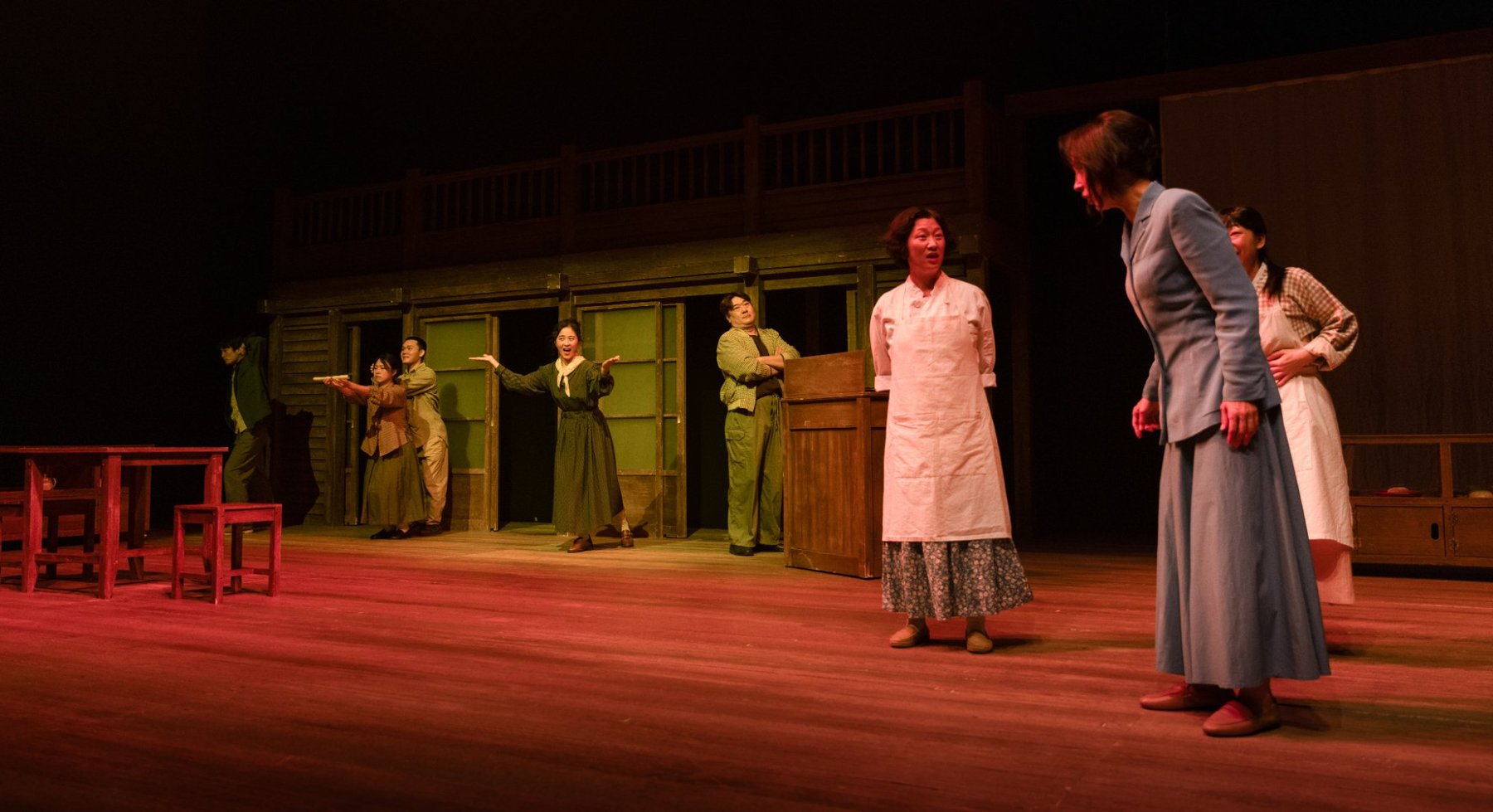
A small bakery in Gunsan, 1948—
the solidarity and hope ordinary people dreamed of
in that era.
THE STORY
Gunsan, 1948.
Not long after liberation,
people begin to gather at a small bakery called Camellia Bakery.
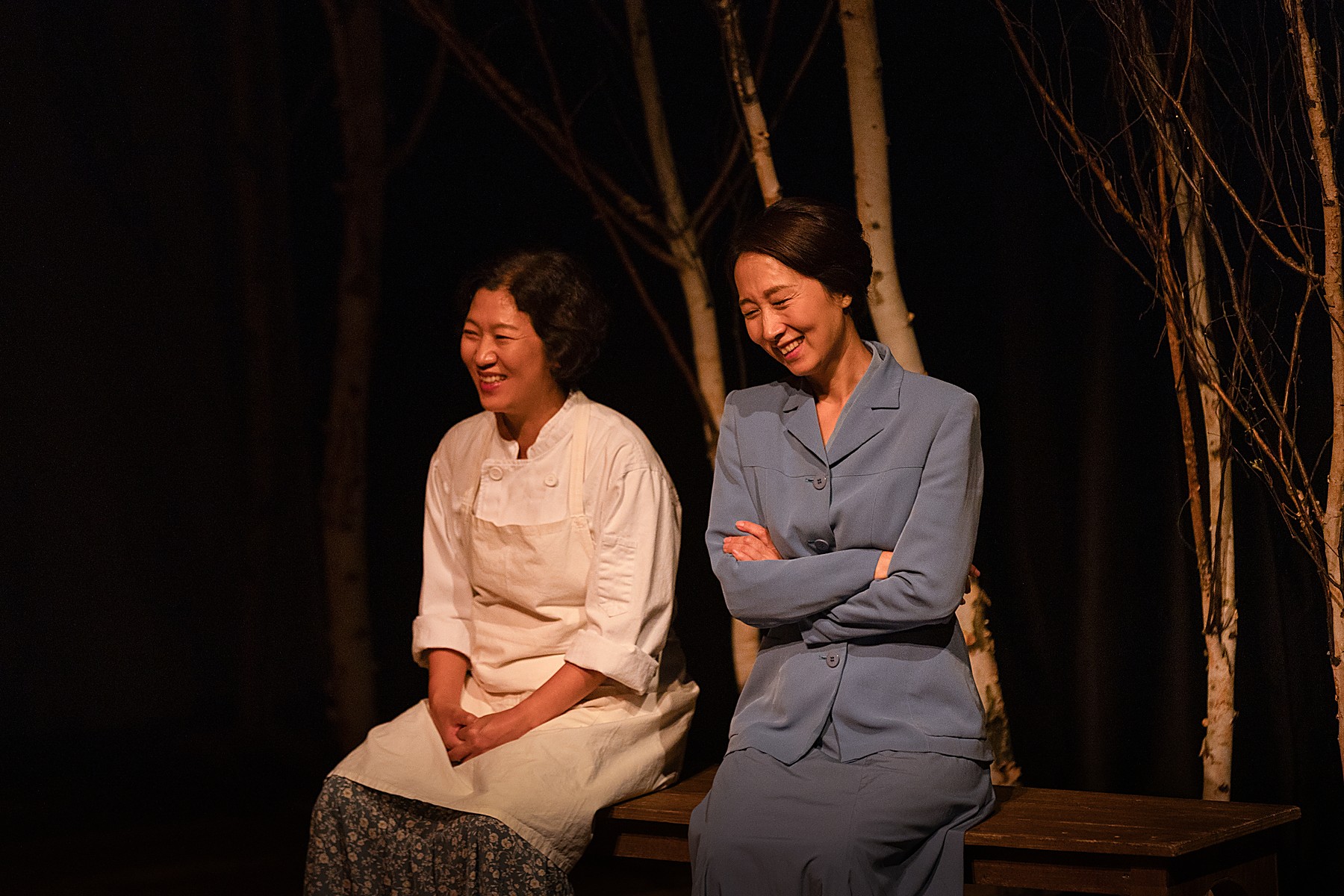
Ten-odd years since the bakery’s founder — an independence activist — vanished with money pooled from the whole village. Now Yeowangrim, the young owner, and Gongju, the head baker, are trying to bring Camellia Bakery back to life with a single worn-out electric oven.
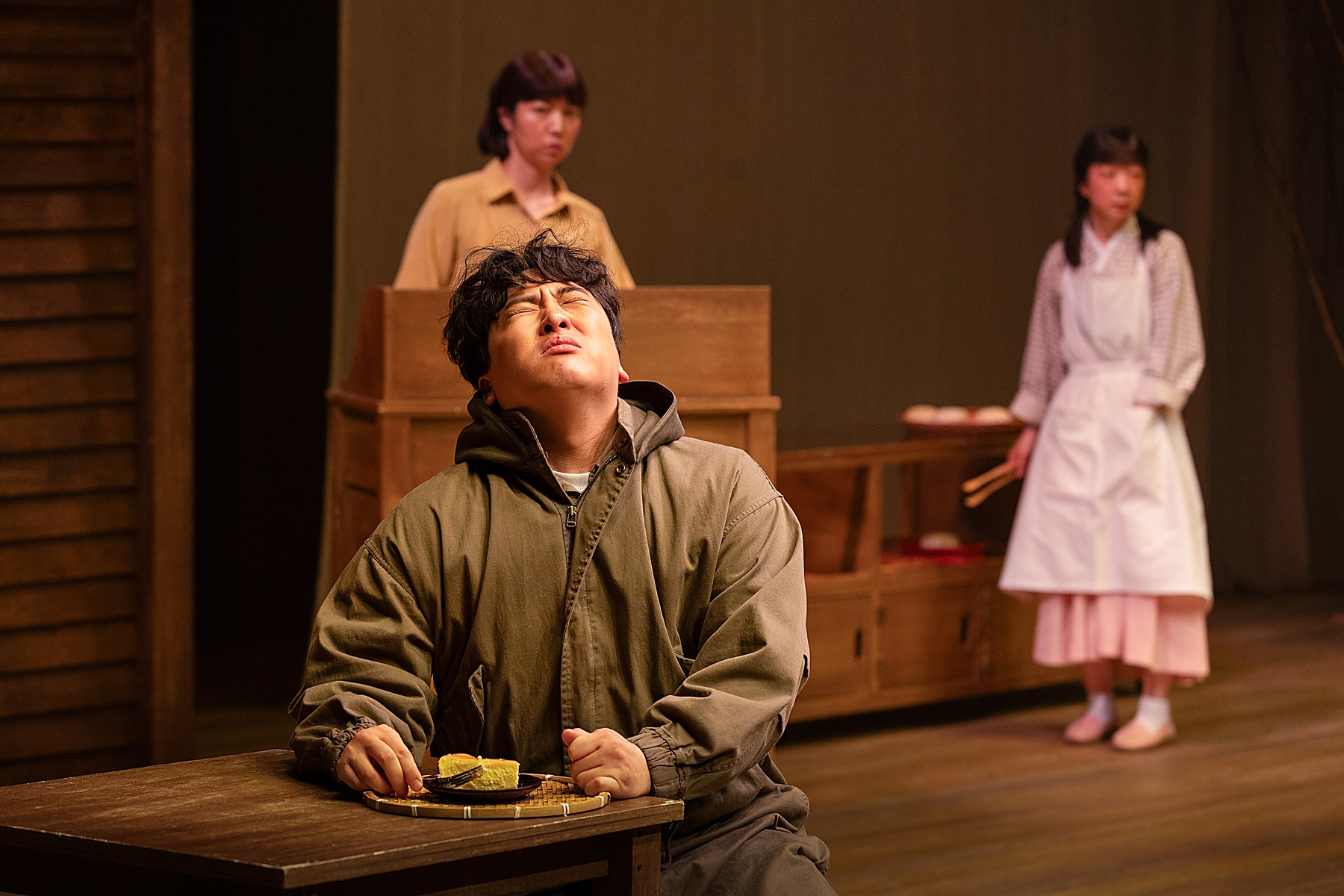
Debts pile up and supplies run short, and now a sleek new bakery has opened right next door. Gongju bakes an unfamiliar cheesecake and hands it out to the neighborhood, and one by one, people begin to gather at Camellia Bakery.
But the cheesecake soon fails, and when the electric oven itself is seized, everyone is left stunned.
If the whole village pulls together over a single loaf of bread,
surely it will rise.
Backed into a corner, they begin to stand together in a way no one in that era had ever tried — and slowly kindle the first spark of hope.
SCENES
01 / 11
02 / 11
03 / 11
04 / 11
05 / 11
06 / 11
07 / 11
08 / 11
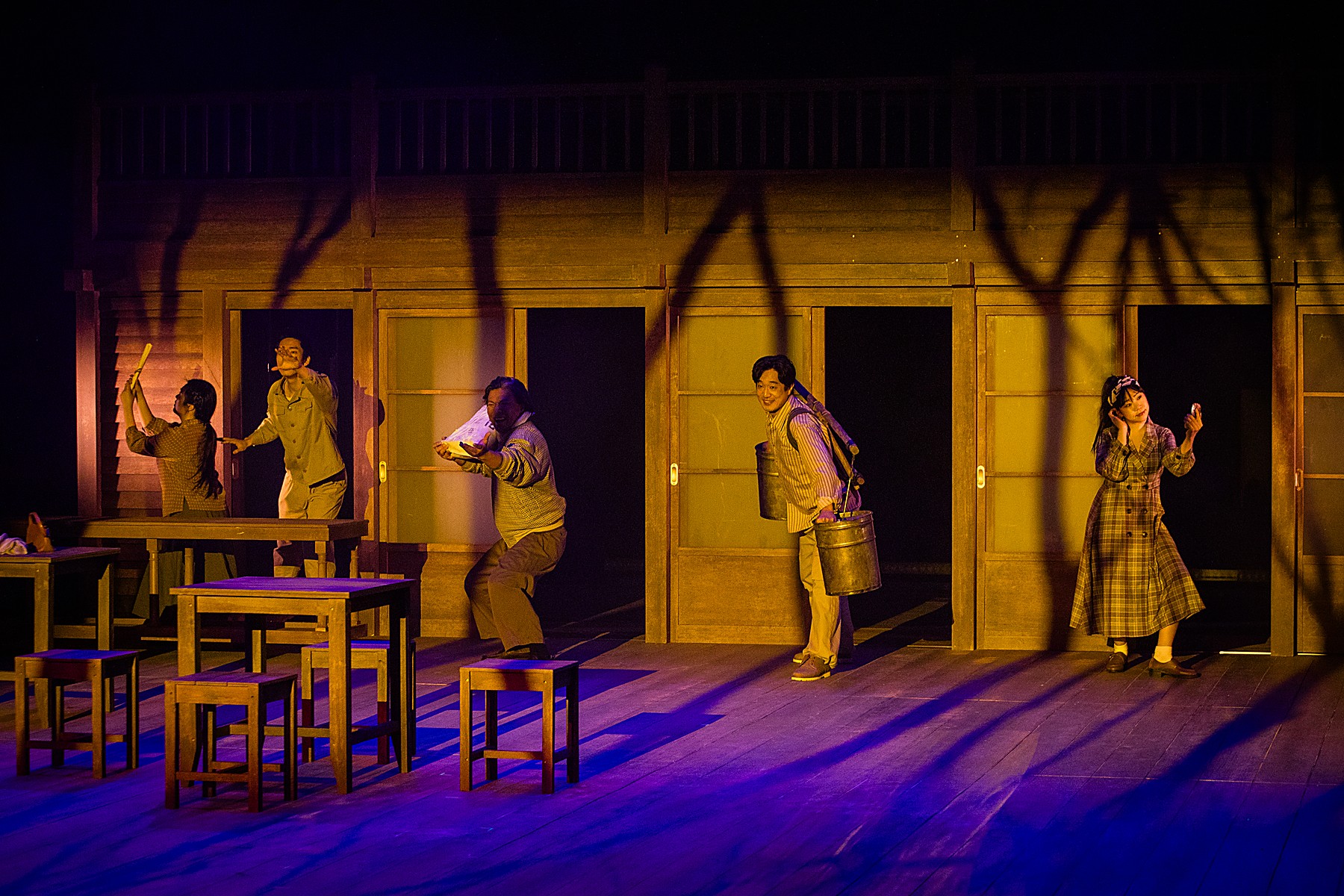
09 / 11
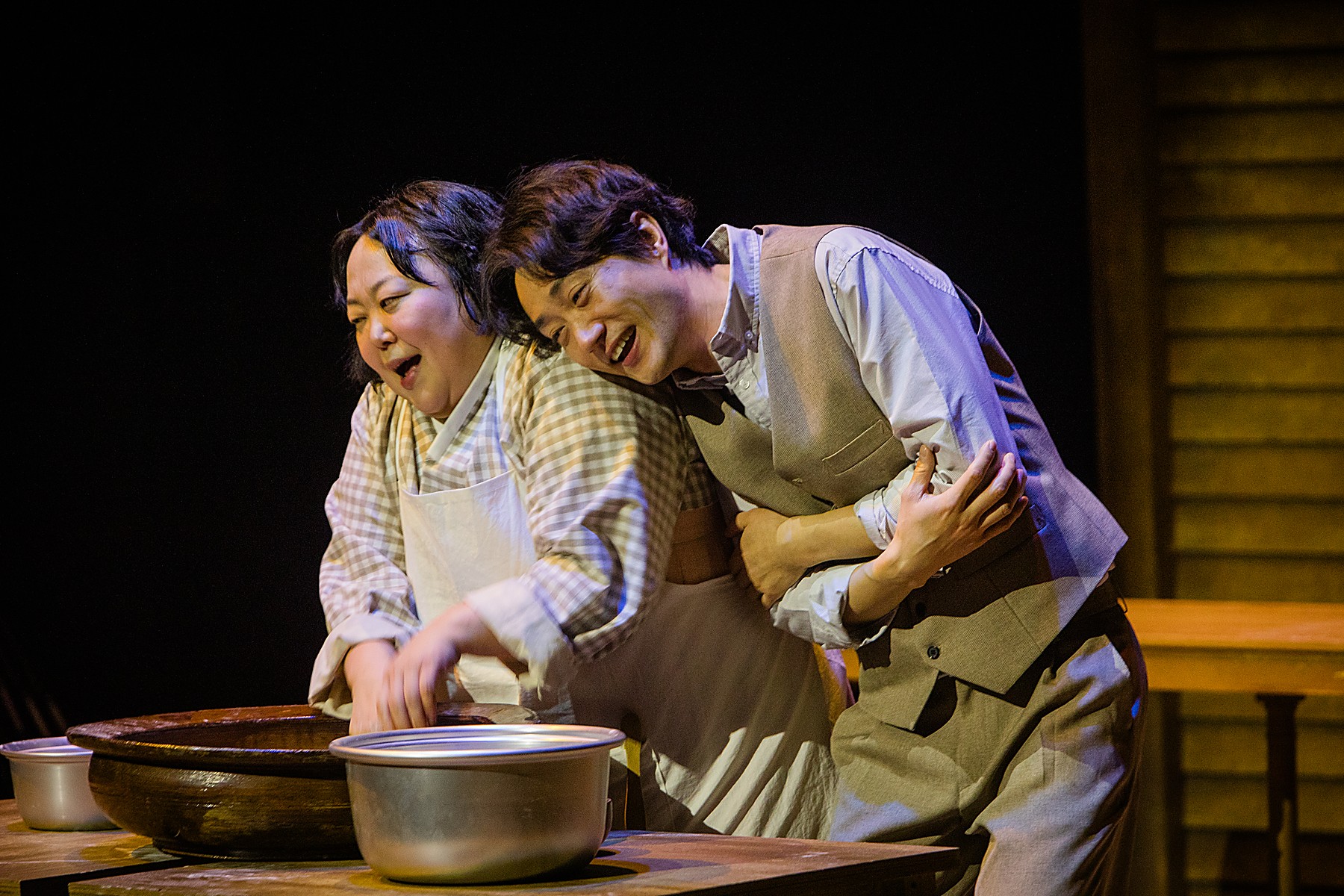
10 / 11
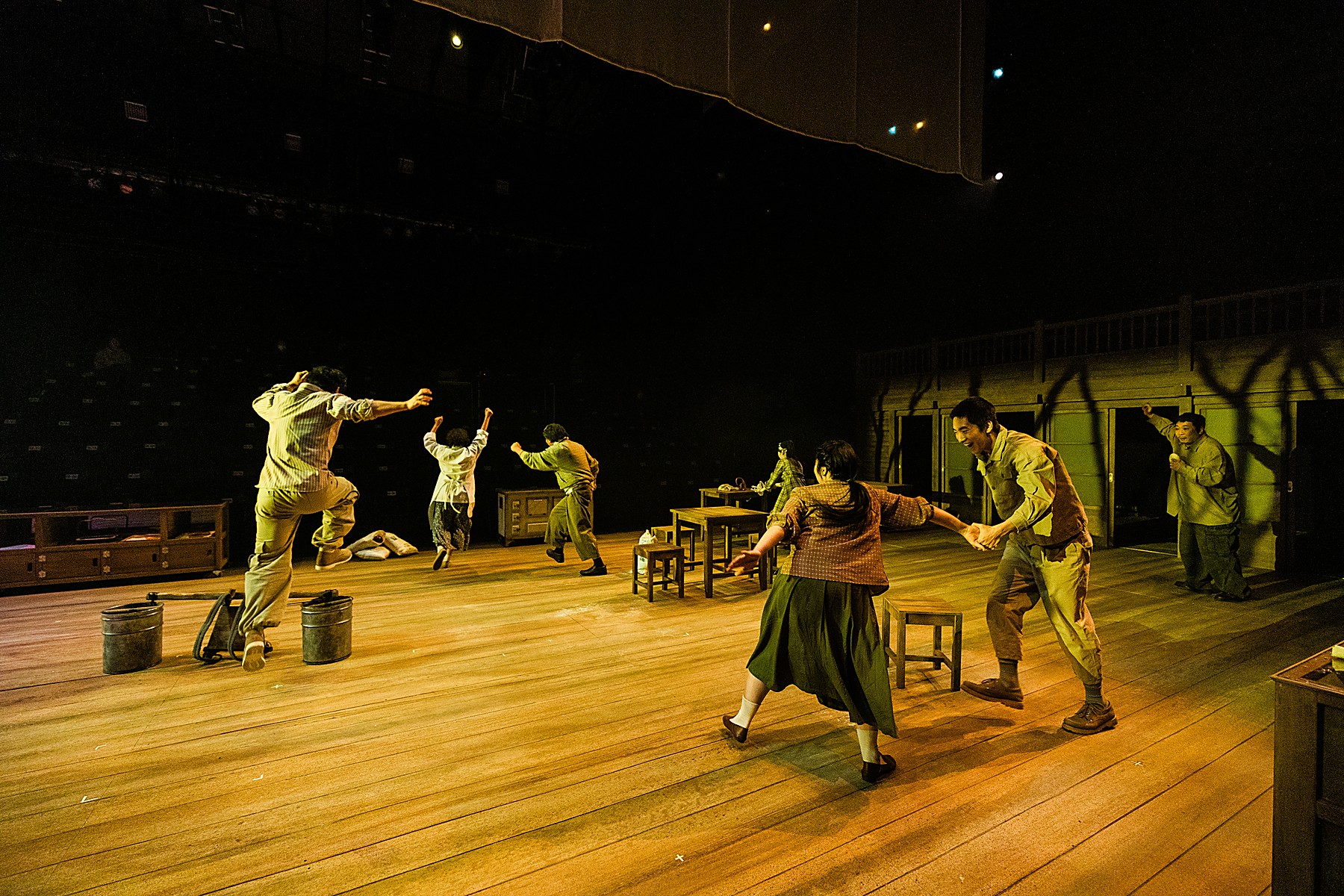
11 / 11
BACKGROUND
In 1945, liberation opened a new era. But life did not settle into peace right away. Gunsan Port, which had served as the gateway for rice extraction throughout the Japanese colonial period, still carried those wounds, and its streets were a haphazard tangle of old Joseon scenery and unfamiliar new imports. Nothing was clear-cut — it was an age of confusion where the new and the old, the familiar and the foreign, tangled together.
A Camellia Bakery looks at this turbulent time not through some sweeping historical event, but through a single bakery in Gunsan. Traces of Japanese-style bakeries dating back to the colonial period, and people trying to build new lives after liberation — Camellia Bakery stands right at the center of an age where the old and the new mix together.
After the 1920s, as Korea’s rice was shipped to Japan in vast quantities, bread became both an unfamiliar food and, gradually, part of a new way of eating for Koreans. The baking trade, once dominated by Japanese bakers, saw growing Korean participation over time, and after liberation, with the Japanese gone, some Koreans began running bakeries of their own.
A Camellia Bakery did not really happen. But standing on this historical backdrop, it imagines the people and the story that could have been there.
Why bread. Rice was the grain that, for years, carried the colony’s painful memory out through this port. Bread, unfamiliar as it was, held the possibility of a new era. As Koreans took it in, one by one, this new import quietly worked its way into daily life. The story of wounded people learning to make room for each other again begins with this one small food.
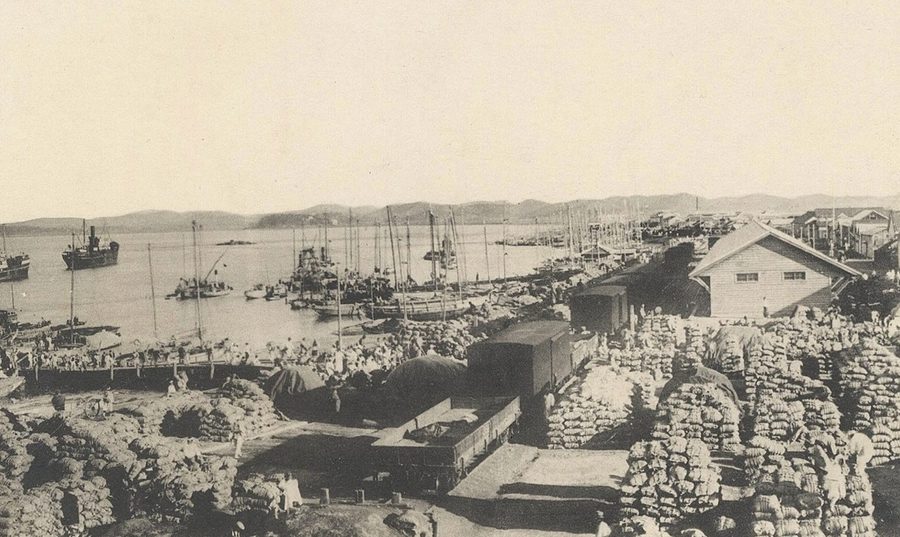
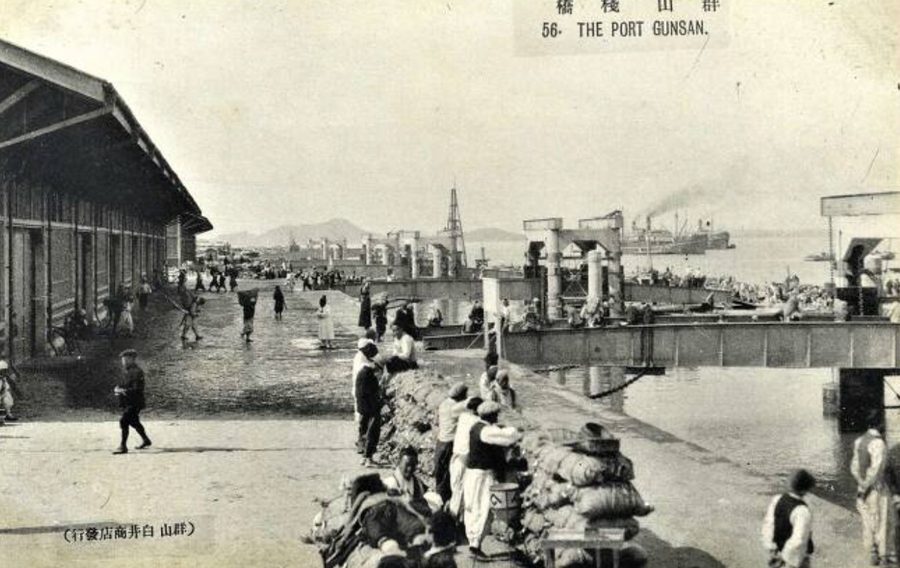
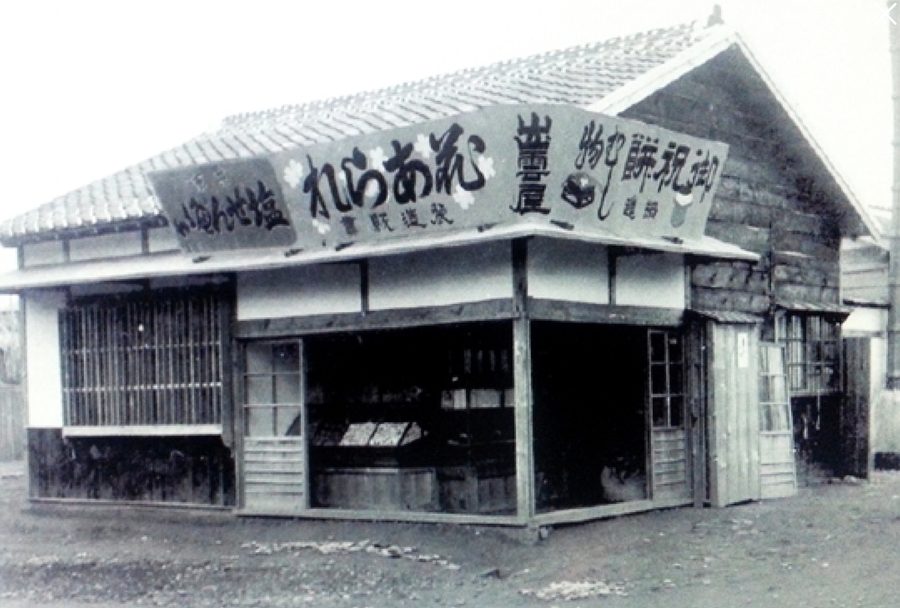
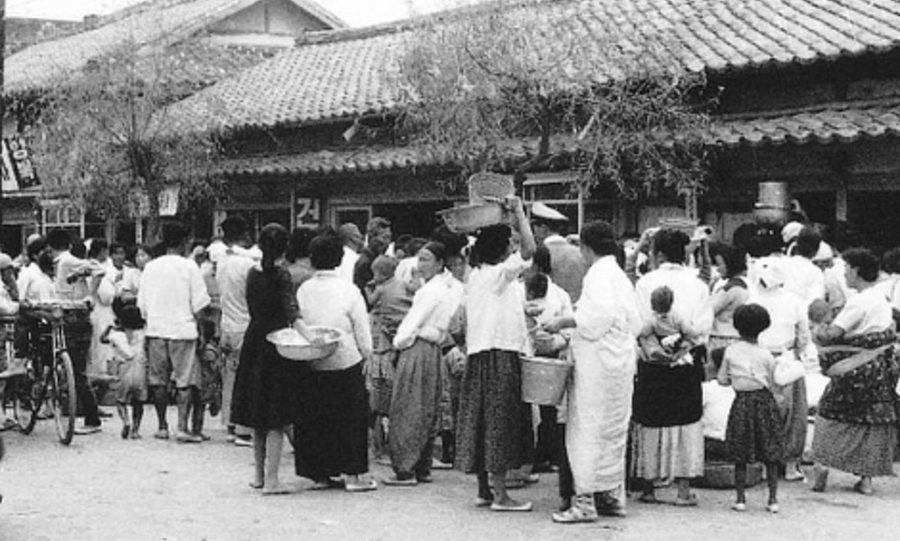
“In a shattered era, what can bring people back together?”
APPROACH
Connecting people through bread
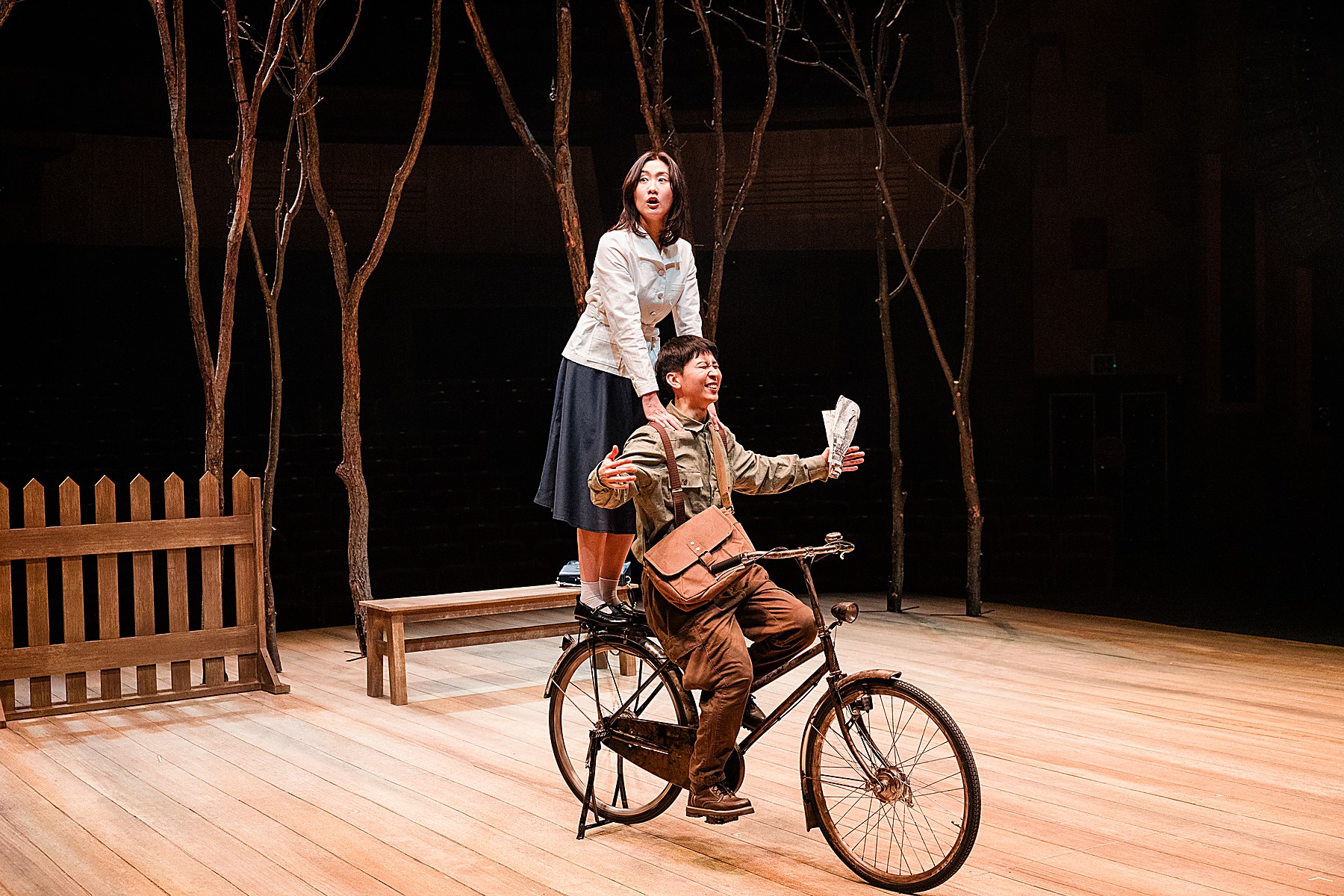
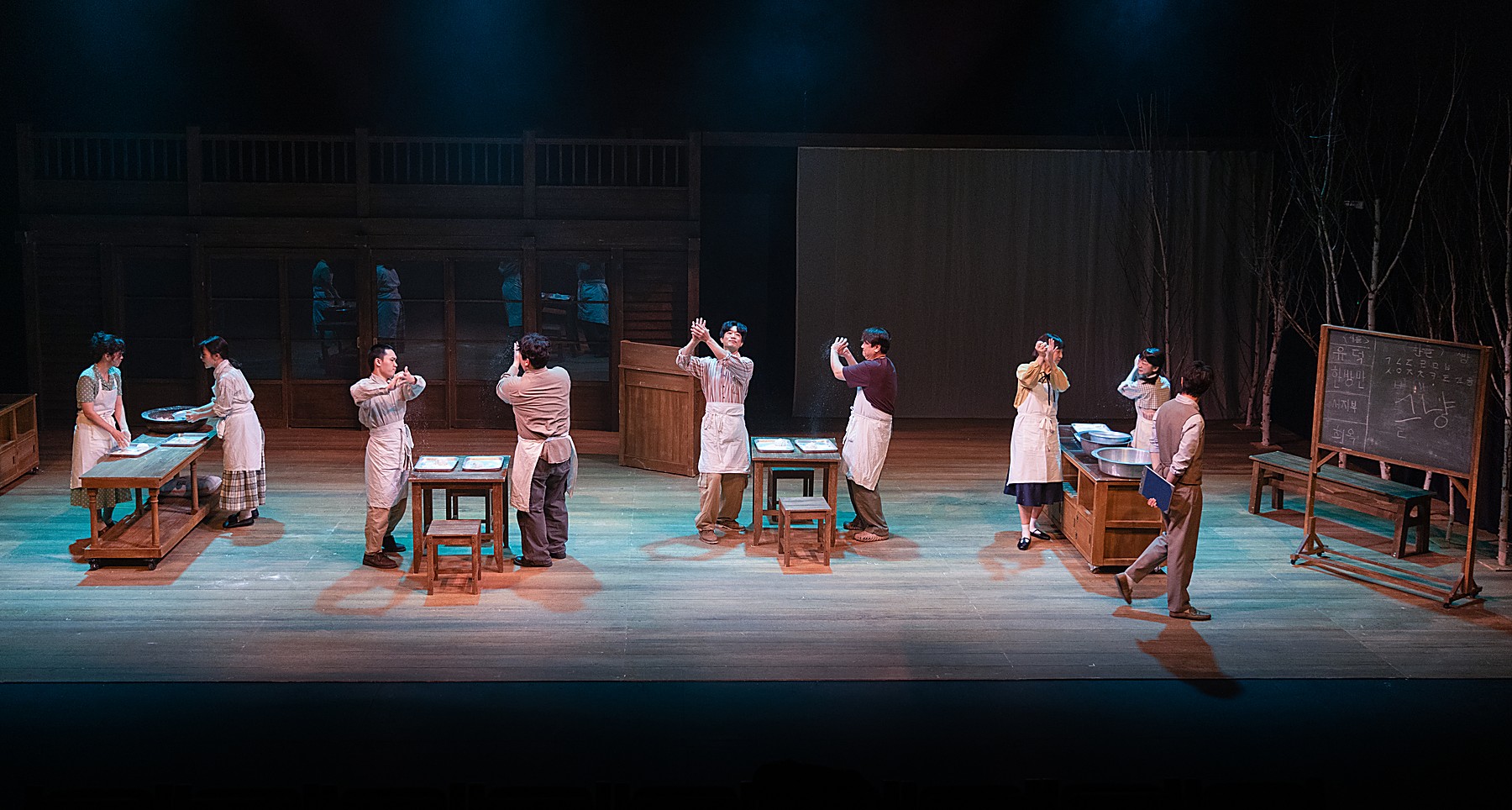
In this work, bread is never just food. Someone bakes it, someone sells it, someone shares it. Around a single loaf, different people form relationships with one another, and the very process of making bread becomes the process of building a relationship between people.
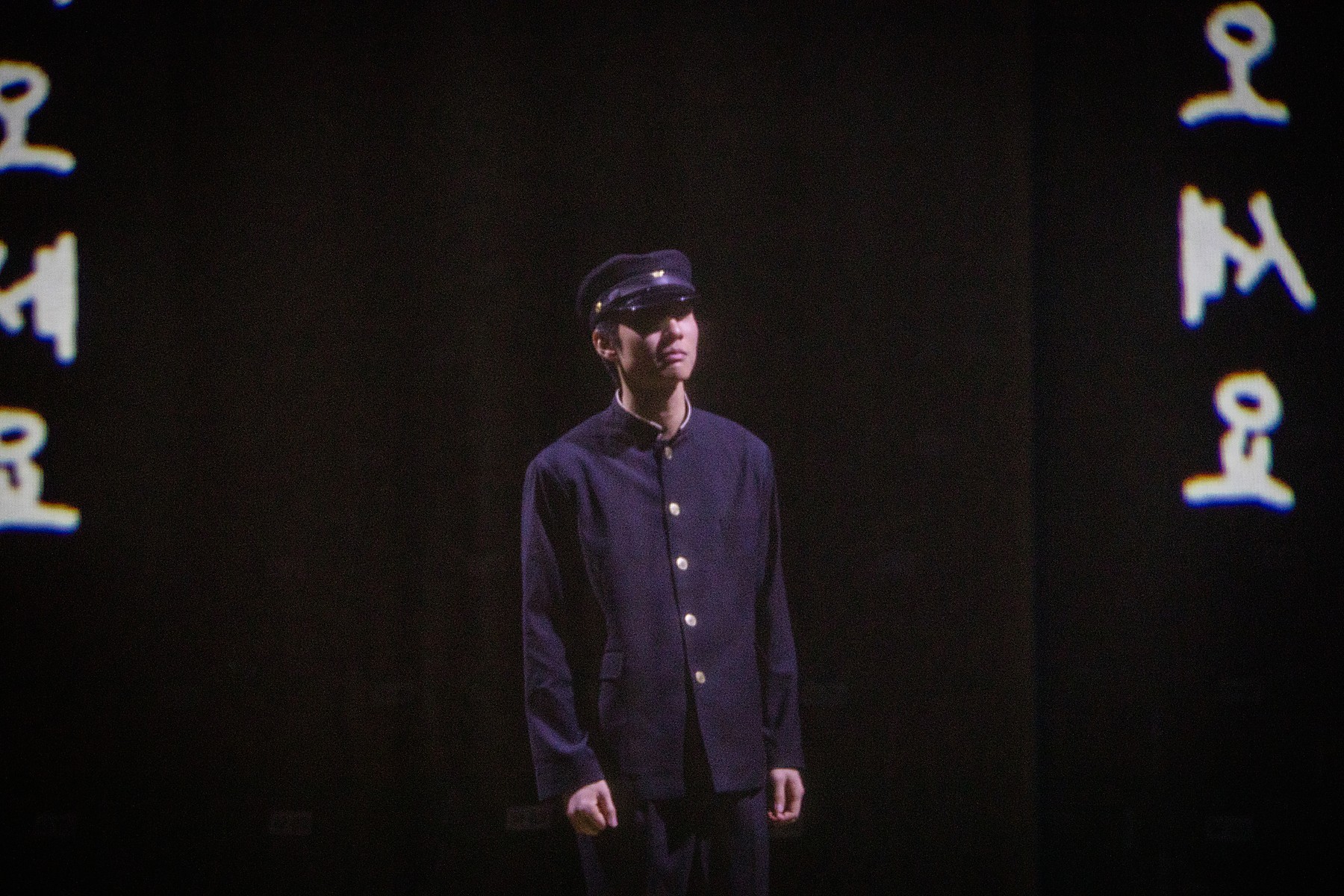
Rather than explaining the sweeping changes after liberation directly, the play follows the concrete lives of people living around one bakery in Gunsan. It looks at that time through the way its changes seep into ordinary life — debt and survival, rivalry and ambition, love and loss.
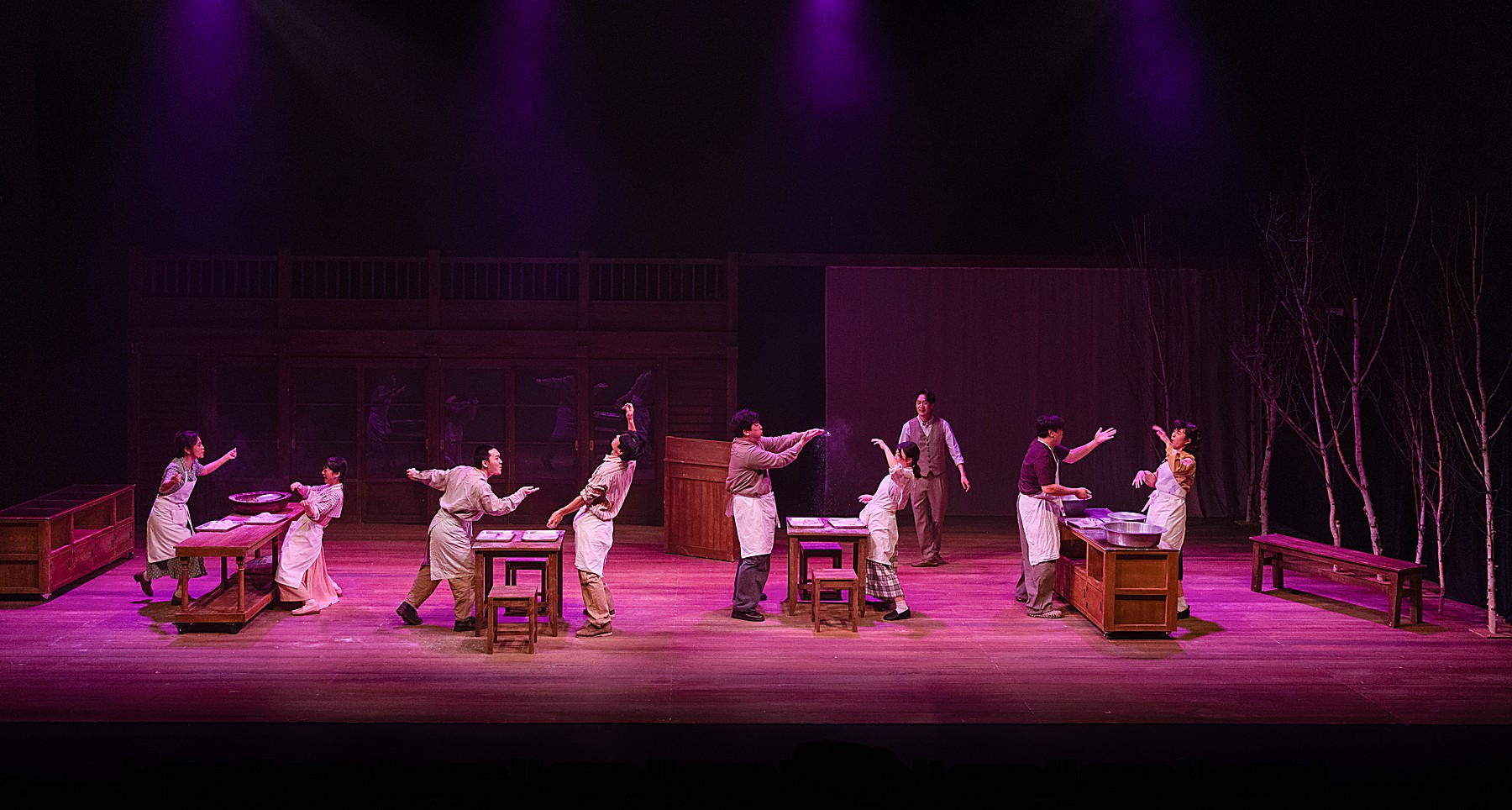
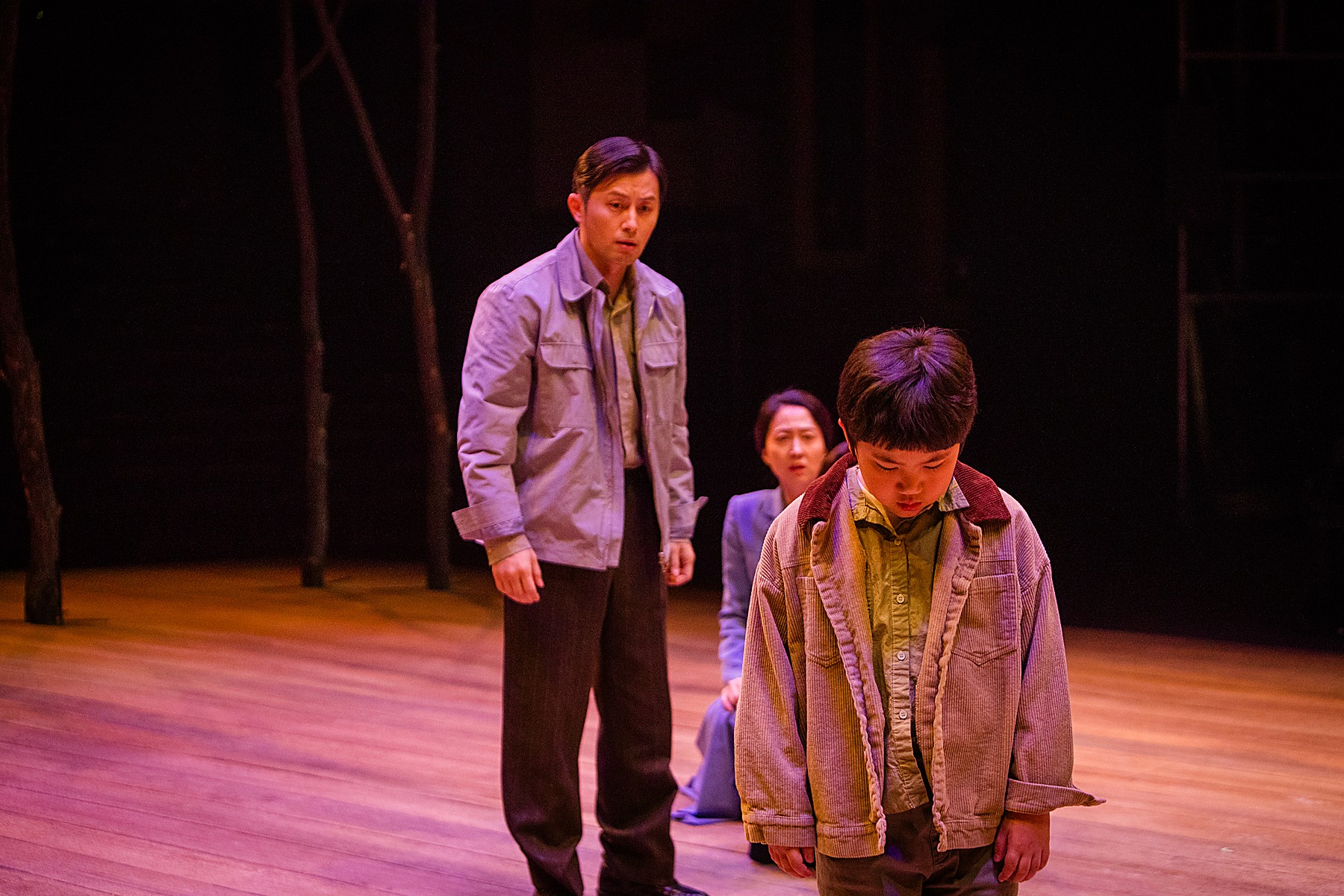
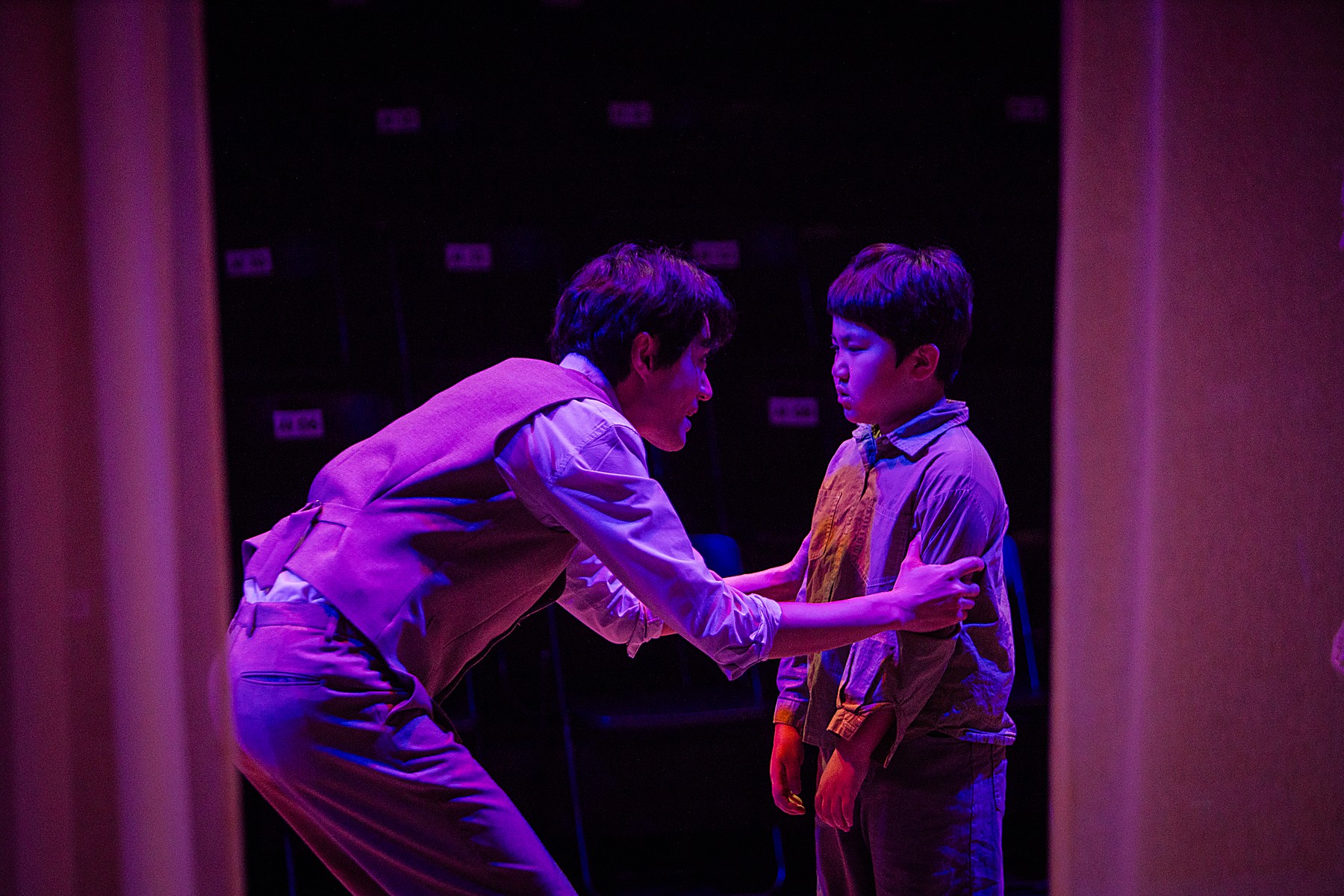
The story of Camellia Bakery is never complete with a single protagonist. People who have lived very different lives gather in one place, colliding in different rhythms and gestures to build a single community. Each individual’s story naturally expands into the story of the community.
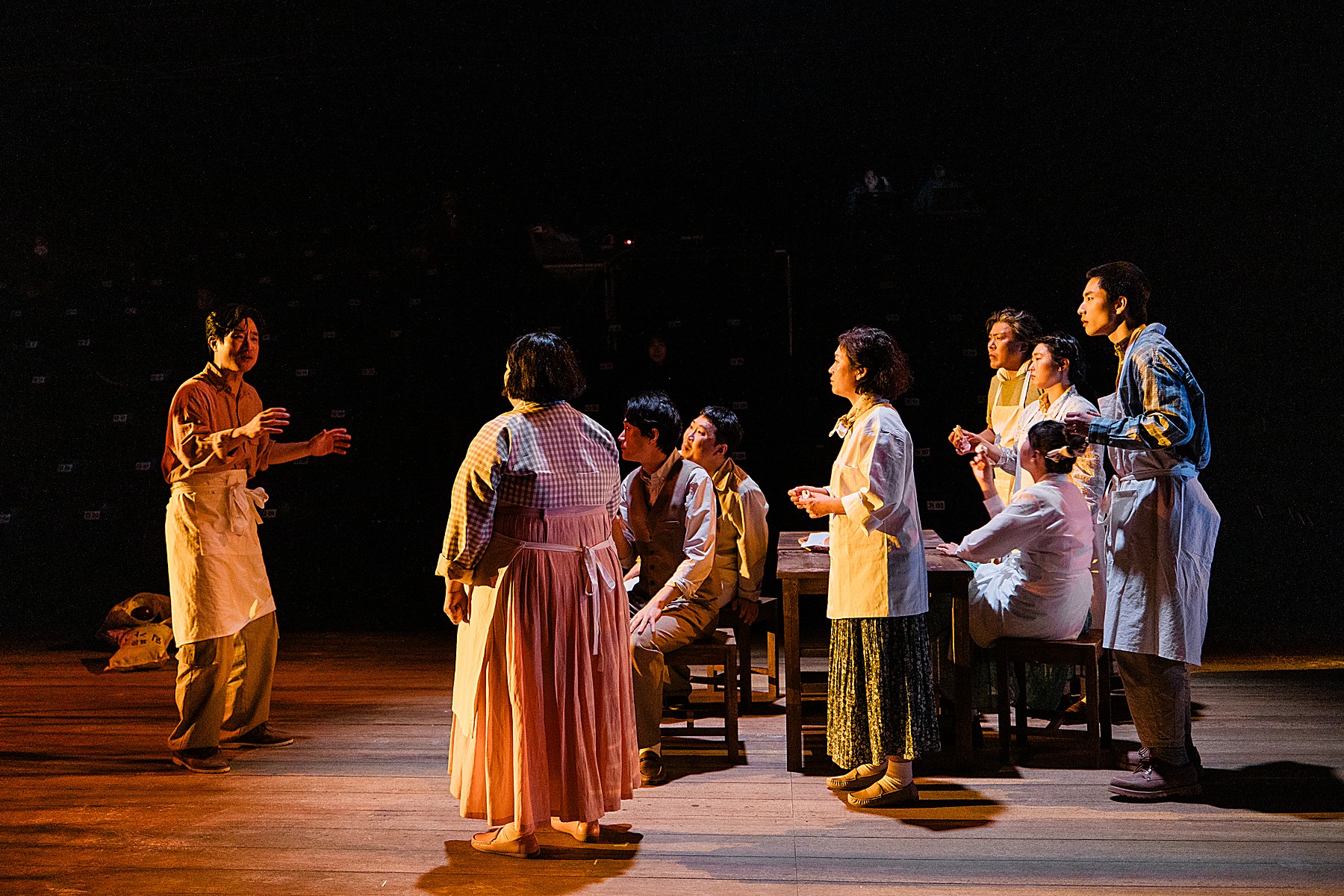
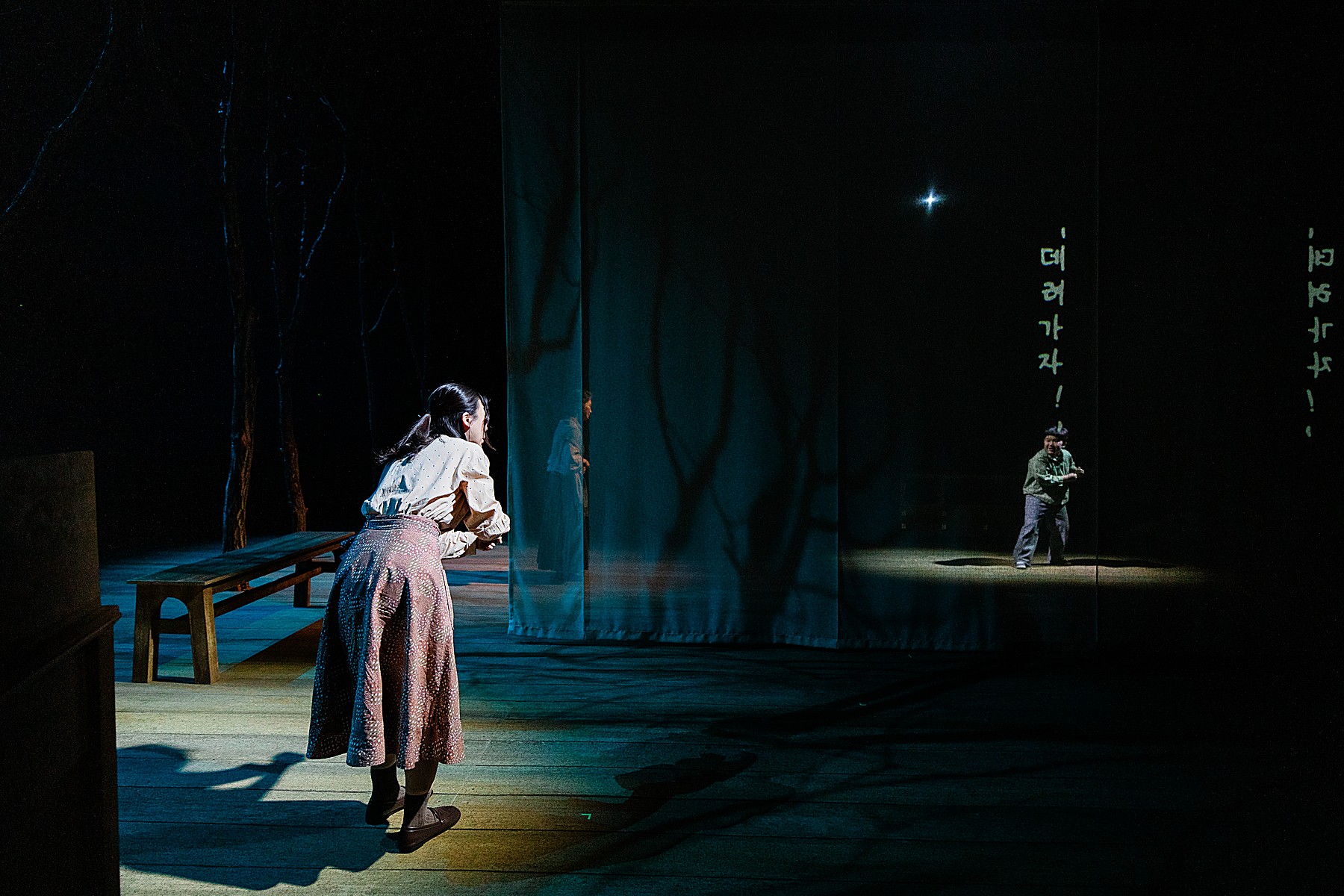
The bakery is both the backdrop where the story unfolds and a living space where relationships between people keep changing. Bread baking in the oven, people coming and going, the everyday act of sharing bread — each becomes a theatrical event on stage.
When people gather again to start baking bread,
the community begins to move again, too.
CHARACTERS

HWANG Sewon
as Gongju
Head Baker

PARK Yoonjung
as Yeowangrim
Owner of Camellia Bakery
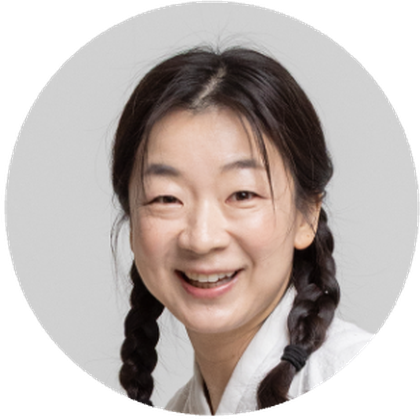
SEO Miyoung
as Sol
Baking Assistant

YOON Ilsik
as San
Yeowangrim’s Son

BAEK Hyeri
as Gang
Gongju’s Daughter

KANG Yumi
as Tsubaki
A Japanese Woman Left Behind

KIM Seunghwan
as Mr. Yi
Servant’s Son

KIM Heechang
as Boss Choi
Local Resident
TOURING
Universality
The story begins in the specific time and place of Gunsan, 1948, but the question the work asks is not bound to one era. Different people learning to live together again in a single space, and building relationships by sharing something small — these are universal experiences that reach today’s audience as well. Through the concrete act of sharing bread, A Camellia Bakery shares that question with its audience.
Language of the Stage
At the center of the work are concrete acts — making bread, sharing it, eating it together — as much as the dialogue itself. Moments that break down the wall between stage and seats emerge in the performance, as in the onstage tasting scene where real bread is shared. The actors’ movement, the process of making bread, music, and shifts in space all build each scene together, aiming for a performance whose emotions register intuitively no matter the audience’s language.
Touring Version
The domestic production is built around a large ensemble of actors. Its staging and blocking have already been prepared from multiple angles to work in proscenium theaters, black-box spaces, and other venue types, and the size and structure of the ensemble can be negotiated flexibly depending on scale, technical conditions, and the touring context.
Selected for PAMS Pitching, Seoul Arts Market
Voices of Memory: A Theater Series on Modern Korean History
Arts Council Korea
-2024 Performing Arts Creation Studio, New Work of the Year Selection
Production
Running Time
150 min
Touring Size
16 (12 actors · 4 staff)Adjusted for touring from the original 16-person ensemble.
Stage Requirements
Standard: W 14m × D 9m × H 5m
Minimum: W 10m × D 7m × H 4mAdaptable depending on venue conditions.
Surtitles
Korean — in preparation · English — in preparation · Japanese (partial) O
A Camellia Bakery is one part of Production IDA’s trilogy Voices of Memory: A Theater Series on Modern Korean History. Baesogoji, from the same series, has appeared at international festivals in Egypt and Romania.
Through 2026 PAMS Pitching, the company is introducing the work to performing-arts professionals from home and abroad, and exploring partnerships for international touring and co-production.
PERFORMANCE HISTORY
2025
Premiere
A Camellia Bakery
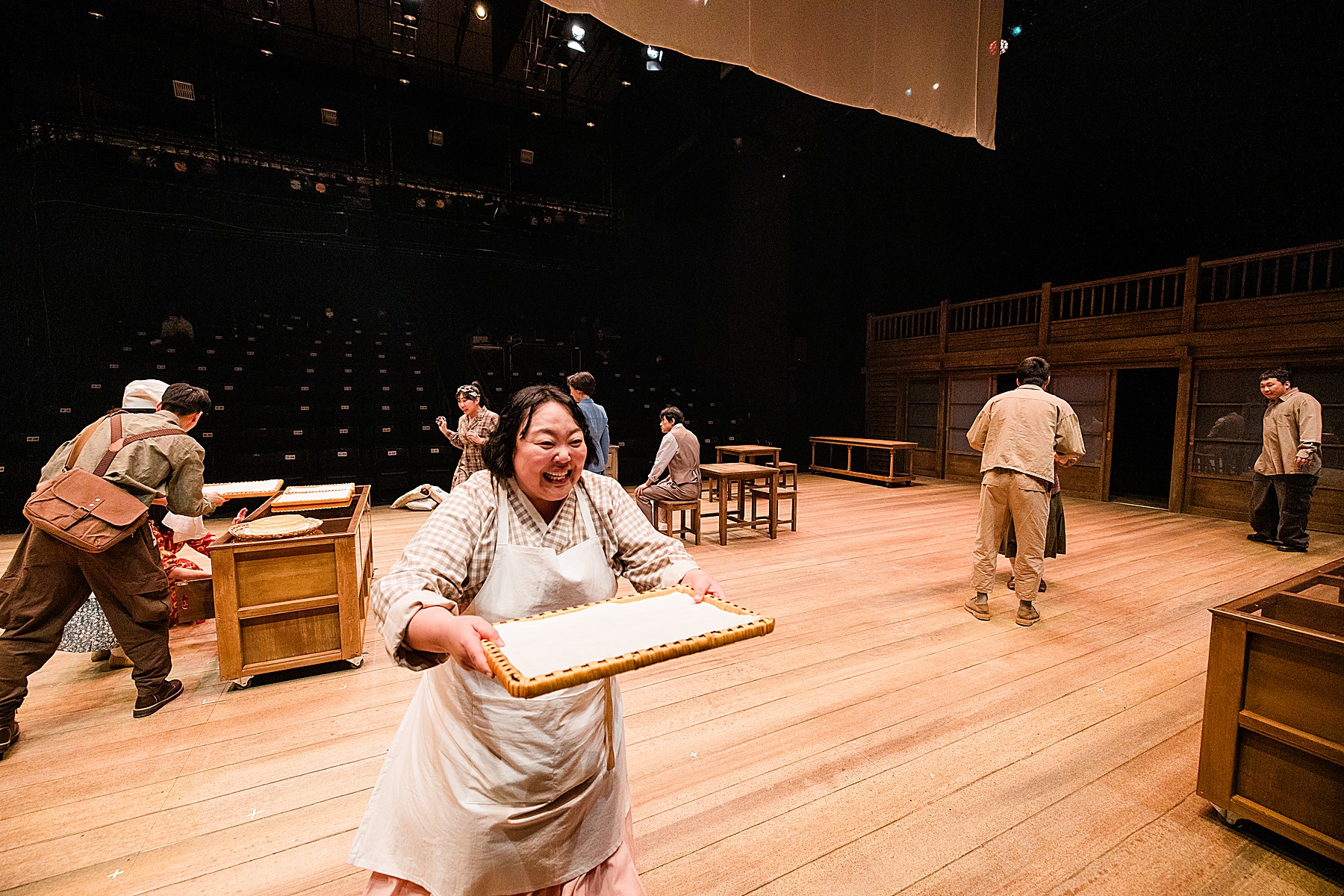
Arko Arts Theater, Main Hall
Seoul
2025
Regional Tour · 5 Cities
A Camellia Bakery
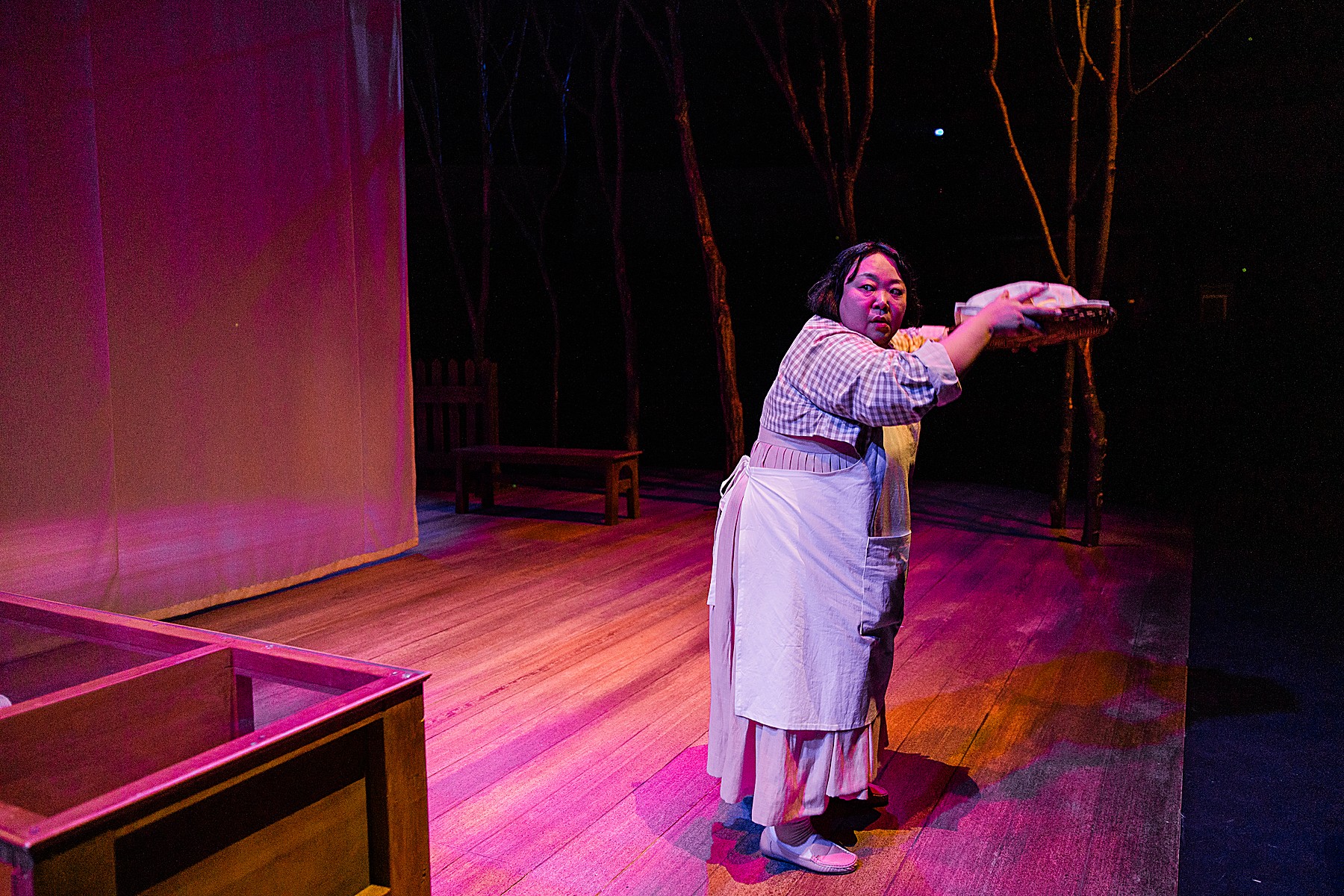
Jeungpyeong · Jeongeup · Namwon · Wanju · Gangneung
Nationwide
2026
Regular Run
A Camellia Bakery
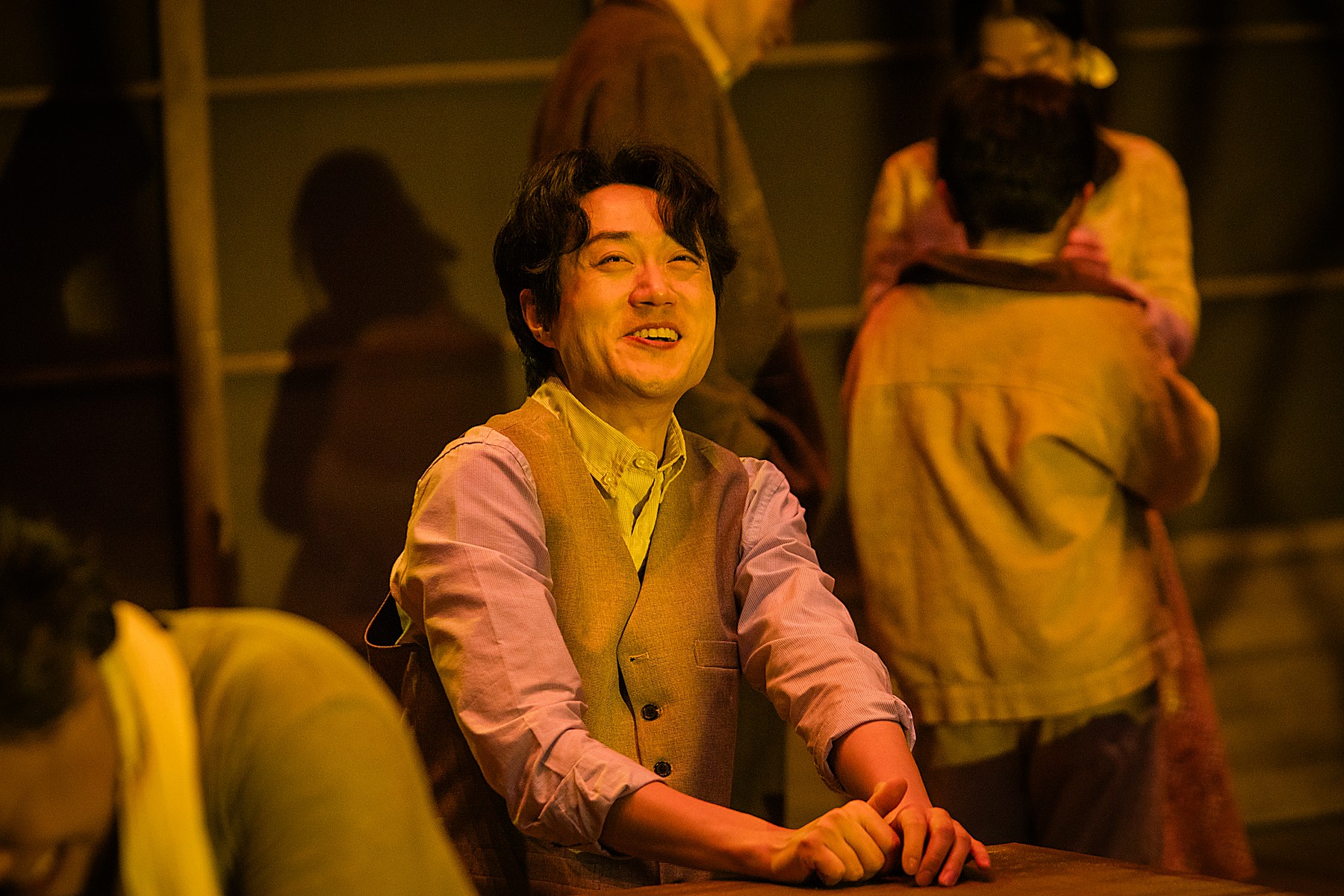
CKL Stage
Seoul
2026
Regional Tour · 3 Cities
A Camellia Bakery
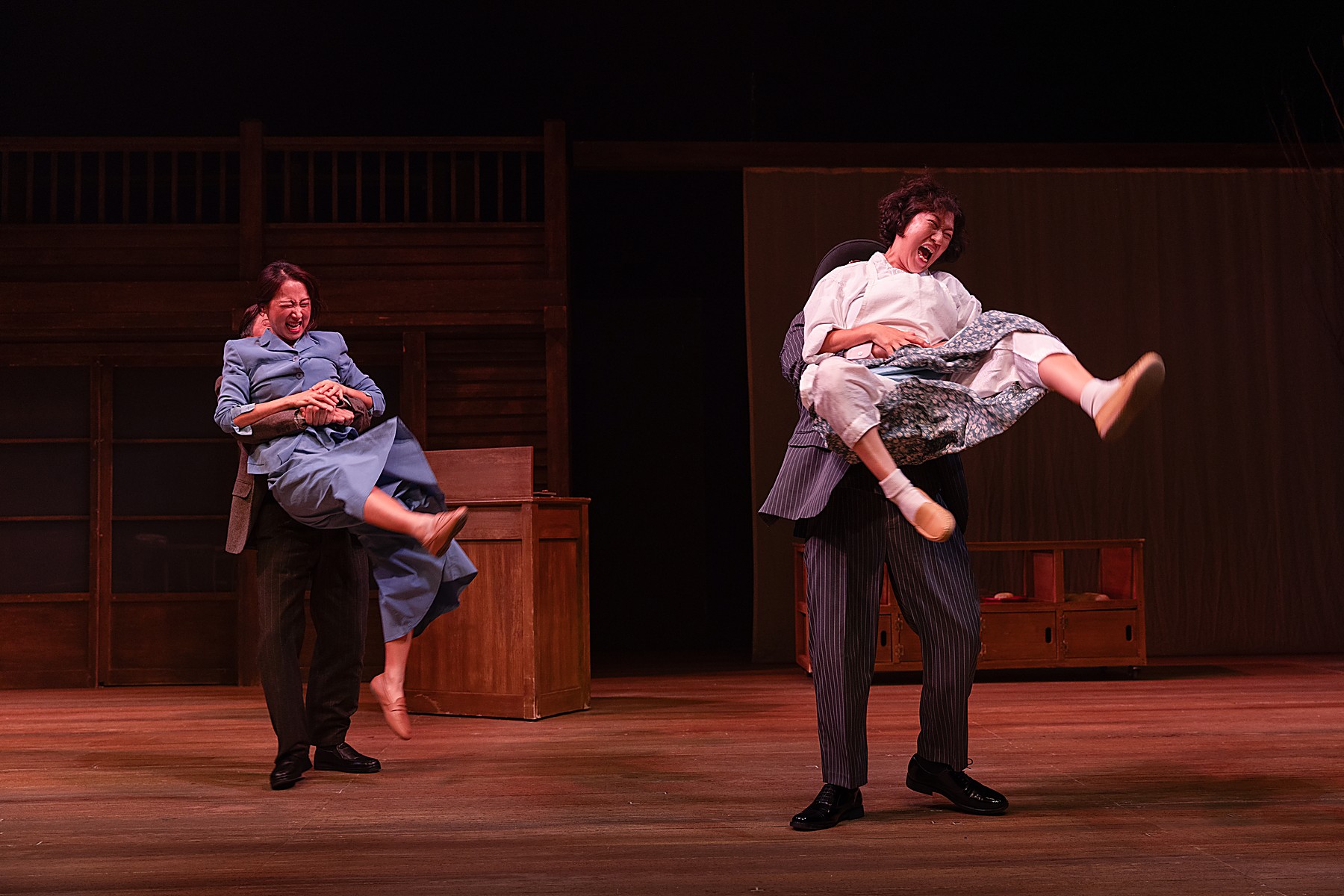
Gimpo · Namyangju · Cheonan
Nationwide
A Camellia Bakery premiered as a selected New Work of the Year under Arts Council Korea’s Performing Arts Creation Studio program, and has continued developing through performances in Seoul and across the country ever since. In 2026 it played at CKL Stage, run by the Korea Creative Content Agency, and reached regional audiences through a performing-arts regional-distribution support program.
CREATIVE TEAM
PlaywrightJinju
DirectorKIM Heeyoung
SetPARK Sangbong
LightingKIM Sunggu
SoundKaip
MakeupJANG Kyungsook
CLOSING
If you’re hopin’ for rain, you buy an umbrella.
If you believe rain’s comin’, you get one ready.
Us, we’re just gonna knead the dough.
’Cause bread — that’s the future.
Thinkin’ about the bread I’ll make tomorrow,
I kind of hope tomorrow comes quick.
— from the dialogue of A Camellia Bakery
WHAT REMAINS
The performance ends,
but the story remains.
Photos, video, and records of A Camellia Bakery
are kept in Production IDA’s ARCHIVE.
CONTACT
Let’s talk about performance, creation, and collaboration.
PRODUCTION IDA
PRODUCTION
A Camellia Bakery
Running Time
150 min
Touring Size
16 (12 actors · 4 staff)Adjusted for touring from the original 16-person ensemble.
Stage Requirements
Standard: W 14m × D 9m × H 5m
Minimum: W 10m × D 7m × H 4mAdaptable depending on venue conditions.
Surtitles
Korean — in preparation · English — in preparation · Japanese (partial) O
A Camellia Bakery is one part of Production IDA’s trilogy Voices of Memory: A Theater Series on Modern Korean History. Baesogoji, from the same series, has appeared at international festivals in Egypt and Romania.
Through 2026 PAMS Pitching, the company is introducing the work to performing-arts professionals from home and abroad, and exploring partnerships for international touring and co-production.